Technology and Product Introduction
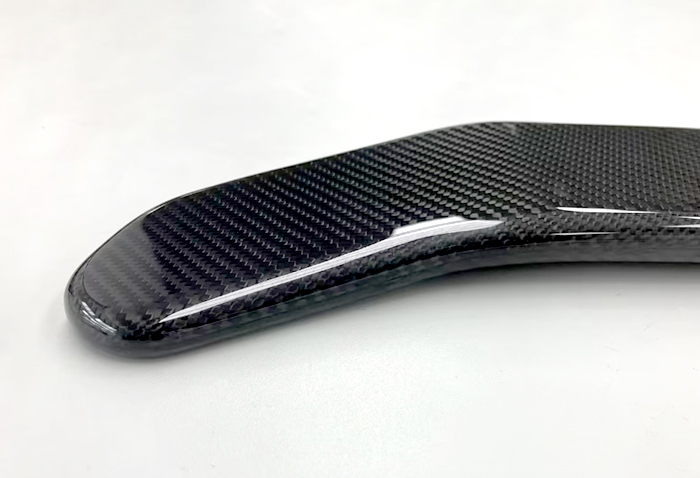
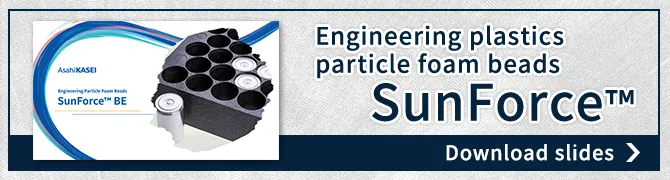
SunForce™: A Foam Core Material Contributing to Cost Reduction and Increased Shape Flexibility of FRP Composites

For inquiries regarding SDS and various chemical substance surveys, please submit your request through your trading company or other purchasing route.
We appreciate your understanding and cooperation.
Update date:
2026.06.01
|Release date:
2026.06.01
Technology and Product Introduction
Have you ever encountered a problem when designing with expanded polystyrene (EPS) or expanded polypropylene (EPP): "The expected dimensions and strength are not achieved in high-temperature environments"?
This article explains how to evaluate heat resistance of foams from a "design perspective," using the modified polyphenylene ether (mPPE) bead foam "Sunforce™" as an example.
Foams are useful materials in terms of weight reduction and flexibility in shape, and expanded polystyrene (EPS) and expanded polypropylene (EPP) are used in many fields.
On the other hand, in applications and processes involving high-temperature environments, designs may fail due to dimensional instability or a greater-than-expected decrease in strength. While these problems are often attributed to "insufficient heat resistance," heat resistance of foams cannot be evaluated by a single temperature index alone. The behavior of the material changes significantly depending on stress conditions and the operating environment.
In the next chapter, we will use effective indicators for evaluating heat resistance of foams and organize how different conditions affect material behavior.
The heat resistance of the foam exhibits different behaviors depending on the evaluation criteria. In this chapter, we compare the heat resistance behavior of EPS, EPP, and mPPE-based bead foams using three evaluation indicators with different conditions.
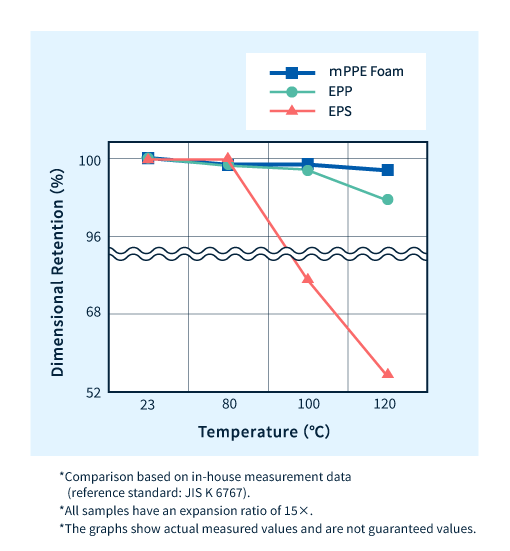
The heating dimensional change test is an indicator used to evaluate dimensional stability of a material under conditions where no stress is applied.
While EPS and EPP are prone to dimensional changes as the temperature rises, mPPE-based bead foams exhibit minimal dimensional changes even at high temperatures and maintain stable behavior.
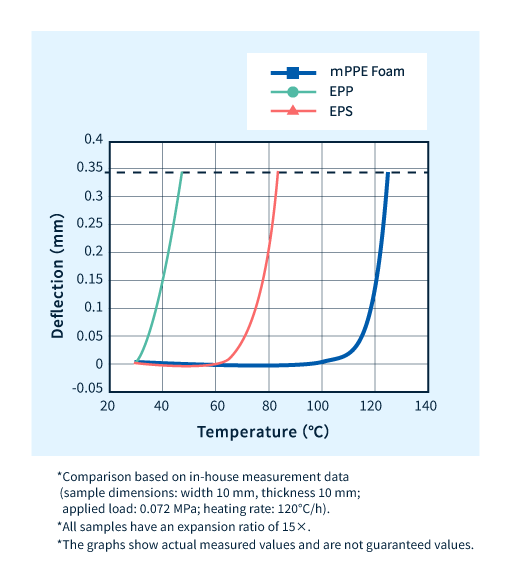
HDT is an index used to evaluate the thermal resistance behavior under load.
When stress is present, stiffness of the material tends to decrease, and deformation progresses even at relatively low temperatures in EPS and EPP. On the other hand, mPPE-based bead foam exhibits behavior in which deformation is suppressed even under load.
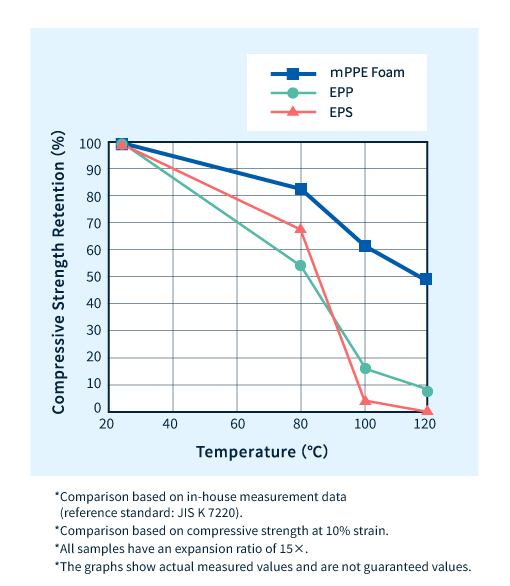
The compression stress retention rate at high temperatures is an index that evaluates how much the compressive stress decreases under high-temperature conditions, and the differences in material stiffness when high temperatures are reached are reflected in the differences in the behavior of each material.
The differences in evaluation results shown in the previous chapter stem from the thermal properties of the resins that make up each foam.
EPS is a material with a glass transition temperature (Tg) located around 100°C. Because its stiffness changes at this temperature, its behavior at high temperatures varies depending on the operating conditions.
EPP has a high melting point of approximately 160°C, but its glass transition temperature (Tg) is around 0°C. Therefore, while it exhibits stable behavior under unloaded conditions, a decrease in stiffness becomes more apparent under loaded conditions.
mPPE-based bead foams have a higher Tg (transition time) compared to these materials, and exhibit a more gradual change in stiffness even at high temperatures.
This difference is reflected in the differences in the evaluation results shown in the previous chapter.
Typical Tg and melting point values (literature values)
| Expanded polystyrene | Expanded polypropylene | mPPE foam | |
|---|---|---|---|
| Glass transition temperature | Approx. 100℃ | Approx. 0℃ | 130℃< |
| Melting point | amorphous | Approx. 160℃ | amorphous |
The key feature of Sunforce™ is that it utilizes the heat resistance properties of mPPE-based resins in the form of a bead foam. Despite being a foam, it offers ample design flexibility in terms of dimensional stability and stress retention even under high-temperature conditions, providing a degree of design freedom that differs from injection molded products and block materials.
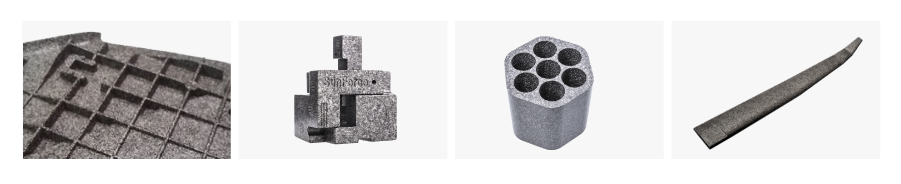
Furthermore, Sunforce™ offers a lineup centered on low expansion ratios of 3.5 to 15 times, making it a material that easily achieves both weight reduction and component functionality in applications requiring stiffness and structural integrity in high-temperature environments.
This provides a new material selection option, even under conditions where it was previously believed that "bead foam cannot be used at high temperatures."
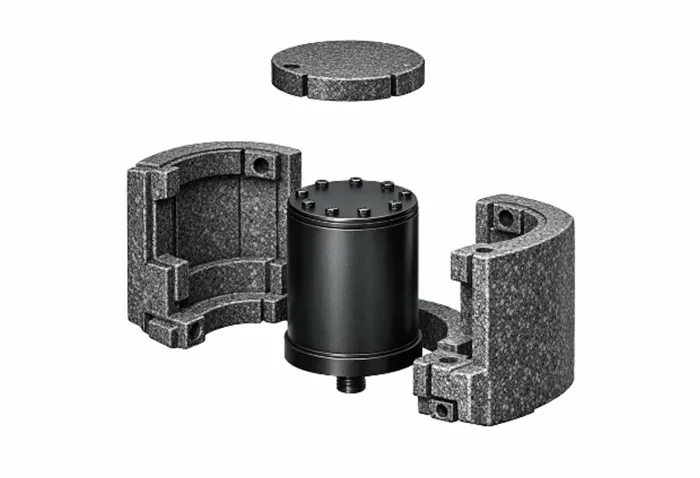
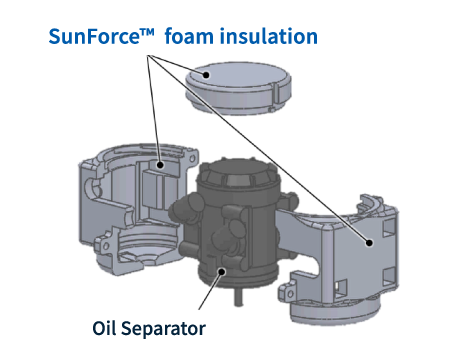
Engine components are subject to conditions where they are subjected to constraints and compressive stresses in high-temperature environments. While there is a desire to achieve insulation and weight reduction through the use of foam, the reduction stiffness at high temperatures can sometimes become a design challenge.
Sunforce™ is an mPPE-based bead foam with gradual stiffness changes at high temperatures, making it a viable option for thermal insulation applications around engine oil separators.
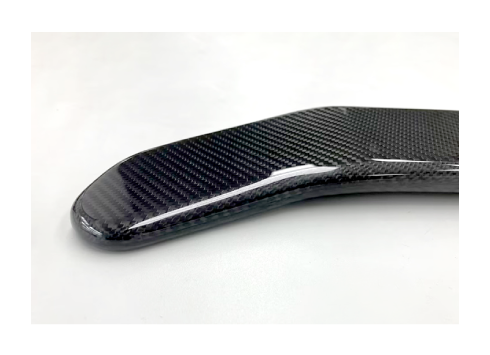
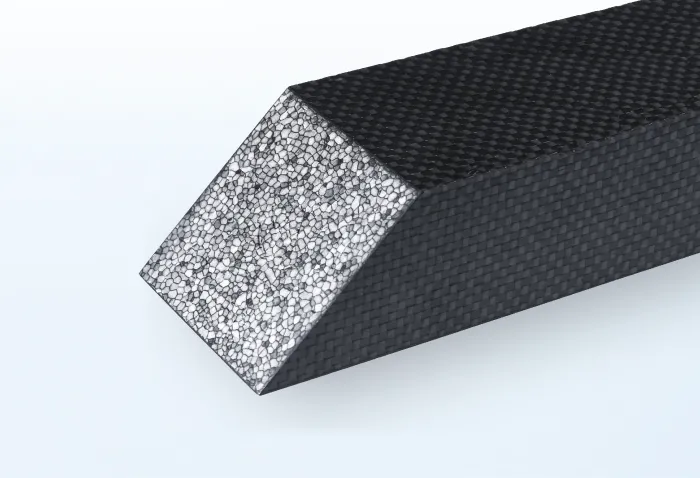
In CFRP structures, sandwich structures using core materials are widely considered to achieve both weight reduction and stiffness. However, when high-temperature conditions are applied during the molding process or in the operating environment, the core material requires dimensional stability and shape retention.
Sunforce™ possesses properties that make it less susceptible to dimensional changes and stiffness reduction even under high-temperature conditions. Therefore, using it as a core material for CFRP makes it easier to maintain weight reduction while securing design flexibility during high-temperature molding processes and use.

heat resistance of a foam material can appear differently depending on the evaluation conditions. Under high-temperature and stressed conditions, the glass transition temperature is crucial for design feasibility.
We hope this article will serve as a catalyst for reconsidering foam design in high-temperature environments.
Please contact us to ask any questions, discuss any concerns, and request samples.
Adding this site as a preferred source in Google search results will make it easier to find articles from Asahi Kasei engineering plastics Comprehensive Information Site.

Technology and Product Introduction

Technology and Product Introduction

Technology and Product Introduction
Technology and Product Introduction
Technology and Product Introduction

Technology and Product Introduction
Technology and Product Introduction
Technology and Product Introduction
Technology and Product Introduction
Technology and Product Introduction
Please feel free to contact us with any questions regarding our products and technologies, or if you would like to request samples.
We will provide a more detailed introduction to Asahi Kasei 's engineering plastics products and technologies.
We will regularly deliver product and industry information. Please use this for your information gathering.