– High safety performance confirmed in demonstration tests using 4680 NMC cells –
Technology and Product Introduction

For inquiries regarding SDS and various chemical substance surveys, please submit your request through your trading company or other purchasing route.
We appreciate your understanding and cooperation.
An injection-moldable high-performance resin delivering both thermal barrier safety and design freedom
Update date:
2026.08.07
|Release date:
2026.08.07
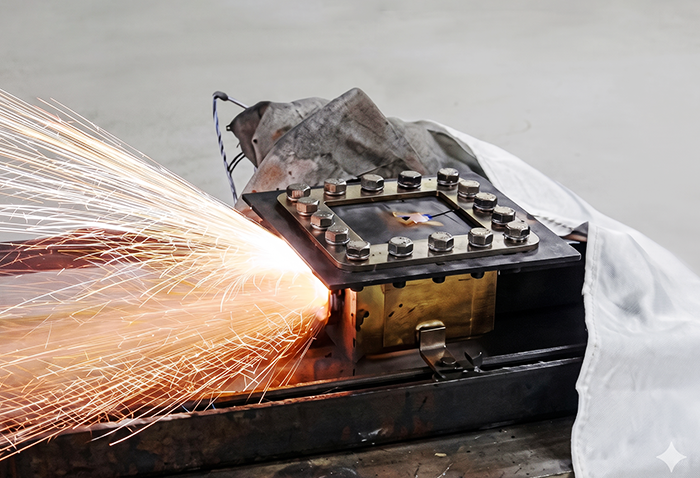
Technology and Product Introduction
Asahi Kasei's high-performance resin XYRON™ G803Z has passed the BETR test (Battery Enclosure Thermal Runaway) specified in UL 2596, established by Underwriters Laboratories (UL).
UL 2596 is an international test standard that evaluates enclosure durability — specifically, whether a battery enclosure can maintain its structural integrity under the high-temperature, high-pressure conditions generated when a lithium-ion battery (LiB) enters thermal runaway.
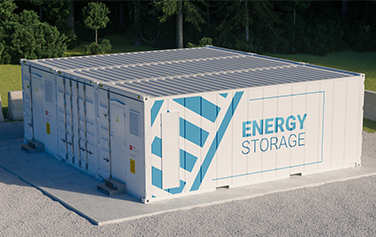
This result is a significant milestone that accelerates deployment across a broad range of battery applications: not only EVs, but also ESS (stationary energy storage systems), industrial equipment, and residential storage batteries.
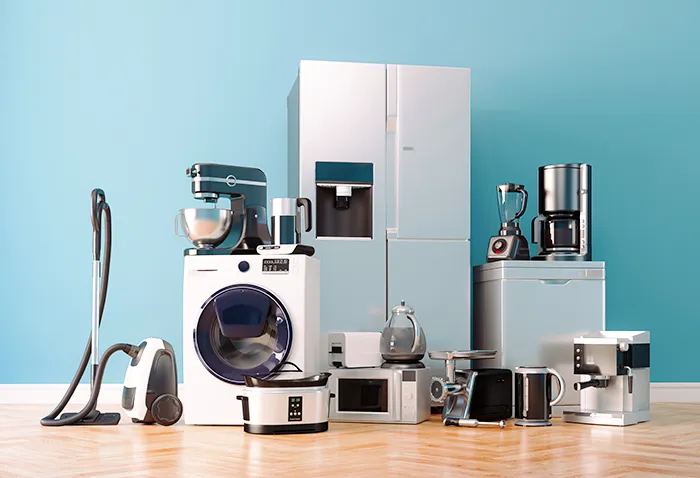
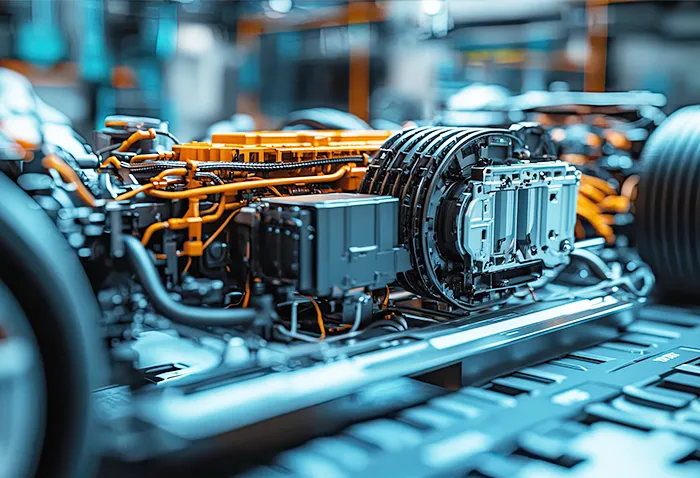
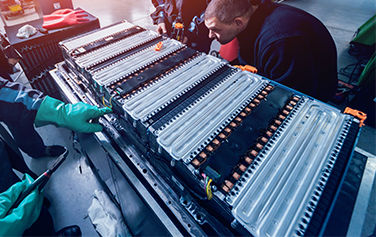
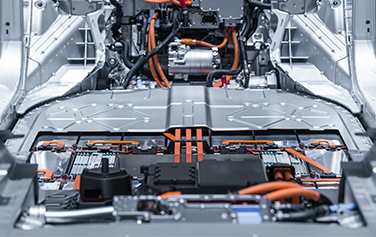
Driven by decarbonization, battery applications are expanding rapidly. Beyond EVs, batteries are being adopted in backup power supplies for data centers and factories, storage systems for offices and homes, and industrial equipment such as robots and agricultural machinery.
Across these diverse applications, a common set of requirements has emerged:
Across these diverse applications, a common set of requirements has emerged:
The UL 2596 evaluation demonstrates that XYRON™ meets these performance requirements at a high level.
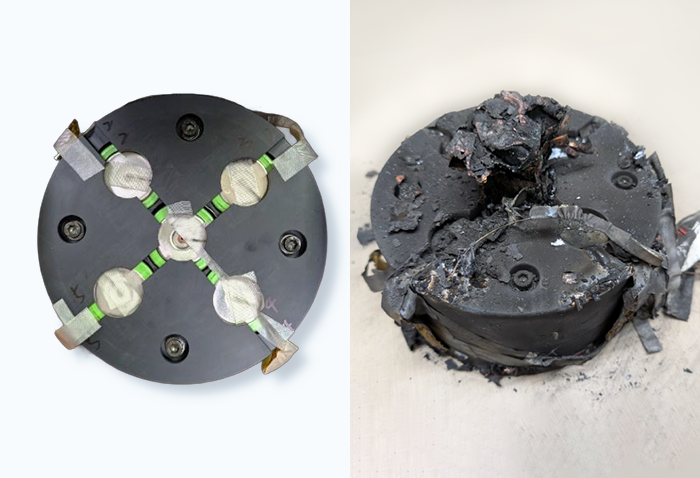
In the BETR test, a representative test specified in UL 2596, XYRON™ G803Z demonstrated the following:
These results indicate the material’s potential for use in a wide range of battery-related components, including EV battery enclosures, residential energy storage system enclosures, partition walls for industrial battery modules, and covers for backup power systems.
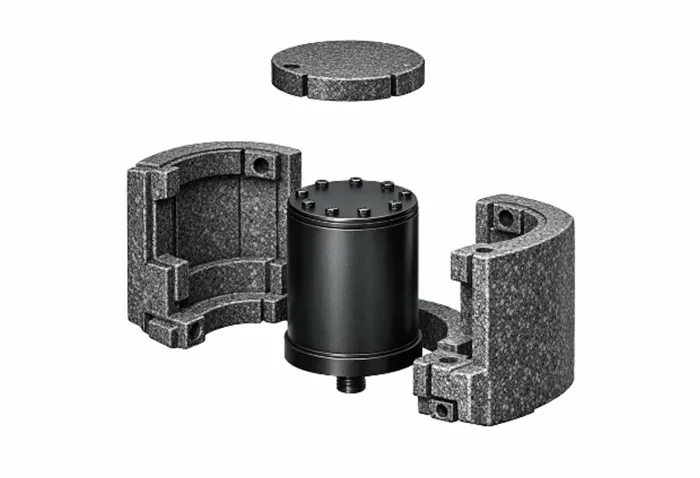
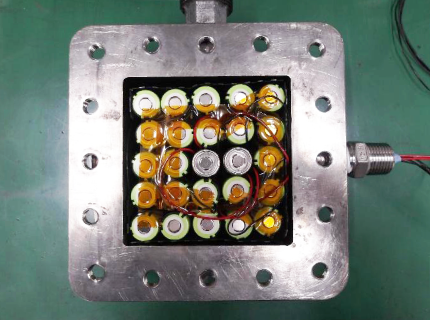 Figure 1: Test apparatus with fuel package installed
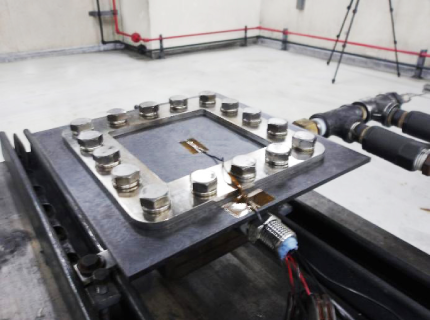 Figure 2: Test apparatus with test sample
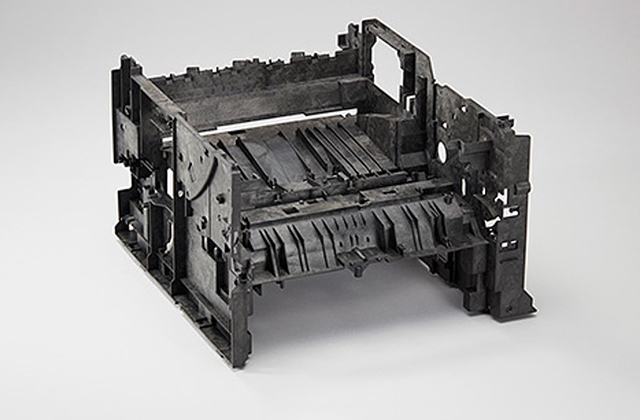
Conventional materials that pass the BETR test rely on long-fiber reinforcement to achieve mechanical strength, which places constraints on product design. XYRON™, by contrast, can be injection molded into complex geometries.
These characteristics make a substantial contribution to higher battery system performance and expanded design freedom.
旭化成株式会社/パフォーマンスプラスチックス事業部/ザイロン技術開発部
"Positioning XYRON™ as a next-generation battery material for a growing energy sector, we are developing grades with high heat resistance and high flame retardancy, starting with G803Z. Passing the BETR test is concrete proof of what this material can do as a solution to the safety and heat resistance needs common across battery applications. We will continue working to improve performance further and contribute to greater battery safety."
Asahi Kasei will continue developing XYRON™ as a material solution that delivers thermal barrier safety, weight reduction, and design freedom simultaneously, and will actively propose it to manufacturers in Japan and worldwide as the battery market continues to expand.

Please contact us to ask any questions, discuss any concerns, and request samples.
Adding this site as a preferred source in Google search results will make it easier to find articles from Asahi Kasei engineering plastics Comprehensive Information Site.

Technology and Product Introduction
Technology and Product Introduction
Technology and Product Introduction
Technology and Product Introduction

Technology and Product Introduction

Technology and Product Introduction
Technology and Product Introduction

Technology and Product Introduction
Technology and Product Introduction
Please feel free to contact us with any questions regarding our products and technologies, or if you would like to request samples.
We will provide a more detailed introduction to Asahi Kasei 's engineering plastics products and technologies.
We will regularly deliver product and industry information. Please use this for your information gathering.